The Importance of Stop-Loss and Take-Profit Orders in Trading
Successful trading requires more than just market analysis and strategy—it demands strong risk management. Two essential tools for managing risk effectively are stop-loss and take-profit orders. These orders help traders protect their capital, lock in profits, and reduce emotional decision-making. In this post, we will explore the importance of stop-loss and take-profit orders and how to use them effectively.
What is a Stop-Loss Order?
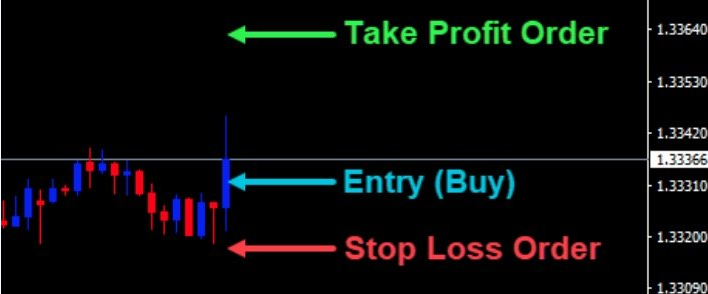
A stop-loss order is a predefined order set by a trader to automatically close a position when the price moves against them by a certain amount. The purpose of a stop-loss is to limit potential losses and prevent excessive drawdowns in a trading account.
Benefits of Using a Stop-Loss Order:
- Risk Management: Helps limit losses and protect trading capital.
- Prevents Emotional Trading: Eliminates the temptation to hold onto losing trades in the hope of a reversal.
- Ensures Discipline: Enforces a structured approach to trading by defining risk parameters in advance.
- Automates Exit Strategy: Allows traders to step away from the screen without worrying about sudden market movements.
What is a Take-Profit Order?
A take-profit order automatically closes a position once a trade reaches a predetermined profit level. This helps traders secure gains without being influenced by greed or over-optimism.
Benefits of Using a Take-Profit Order:
- Locks in Profits: Ensures that profits are realized before the market reverses.
- Reduces Market Exposure: Helps traders exit the market at favorable price points, minimizing risk.
- Supports Trading Plans: Encourages traders to stick to their strategy rather than making impulsive decisions.
- Eliminates Emotional Interference: Prevents traders from second-guessing themselves and holding onto positions too long.
How to Set Stop-Loss and Take-Profit Levels Effectively
1. Use Technical Analysis
Identify key support and resistance levels, trendlines, and moving averages to determine optimal stop-loss and take-profit points.
2. Follow the Risk-Reward Ratio
A common rule of thumb is to maintain a risk-reward ratio of at least 1:2, meaning that for every dollar risked, the potential reward should be at least two dollars.
3. Consider Volatility
Set stop-loss and take-profit orders based on market volatility. A highly volatile market may require wider stop-loss levels to avoid premature exits.
4. Adjust Orders Based on Market Conditions
Market conditions can change, so it’s important to review and adjust stop-loss and take-profit levels accordingly.
5. Use Trailing Stop-Loss Orders
A trailing stop-loss moves with the price, locking in profits while allowing for continued upside potential. This is particularly useful in trending markets.
Conclusion
Every trader should use Stop-loss and take-profit orders as essential risk management tools. They help protect capital, secure profits, and eliminate emotional trading decisions. By setting these orders strategically, traders can improve their consistency and long-term success in the market. Always combine them with a well-structured trading plan and sound risk management practices.